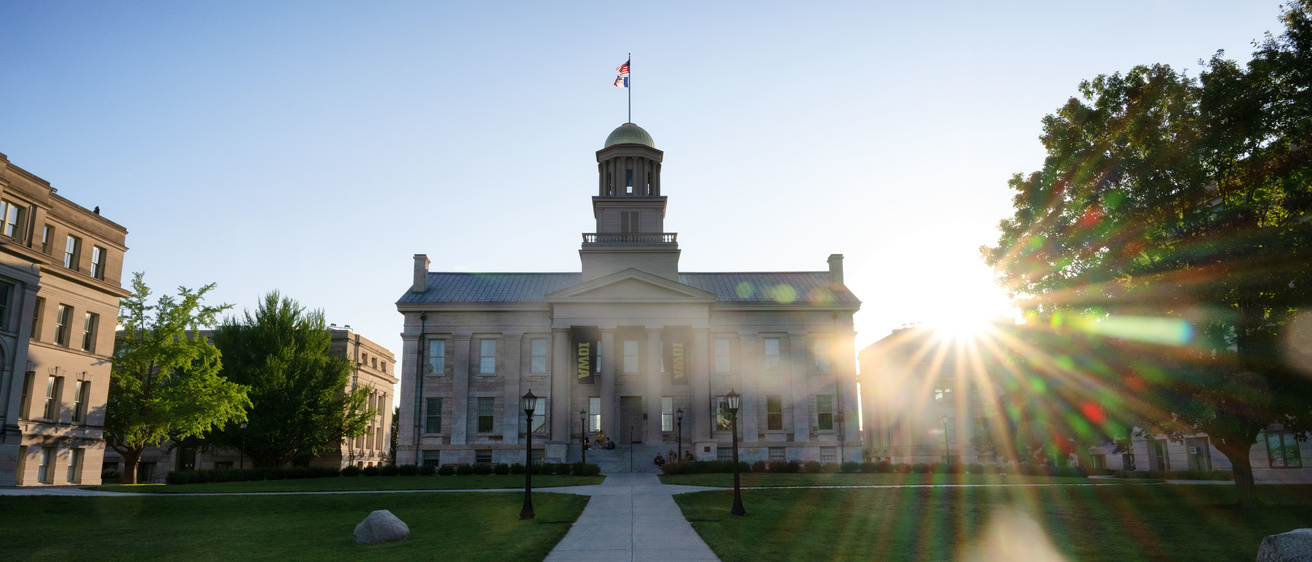
Bernard A. Sorofman, professor emeritus and former executive associate dean, passed away on Sunday, July 27 in Iowa City, Iowa.
Sorofman’s academic journey took him through several institutions before he joined the University of Iowa (UI) College of Pharmacy in 1984, where he remained until his retirement in 2017. He earned a BA in anthropology from the University of Nevada, Las Vegas, a BS in pharmacy from the University of Oklahoma, and a PhD in Social and Administrative Pharmacy from the University of Minnesota.
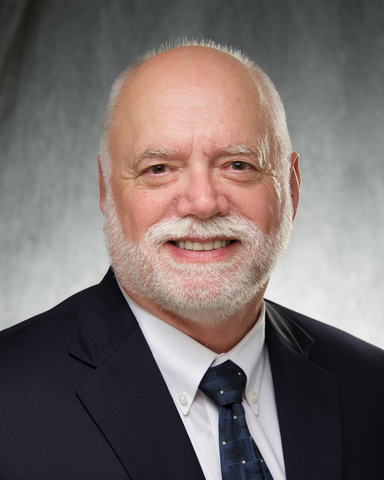
Sorofman joined the college as an assistant professor, and his exceptional leadership quickly became evident. He was promoted to full professor in 1992. Over the years, Sorofman served in numerous administrative roles, including division head, department chair, associate dean, and ultimately executive associate dean.
Known for his deep sense of community and service, Sorofman contributed widely across campus, serving on the Faculty Senate and Faculty Council and served as University Ombudsperson from 1999 to 2001. In 2010, he received the University of Iowa Michael Brody Award for Faculty Excellence in Service.
At the state level, Sorofman served on the Iowa Pharmacy Association (IPA) Foundation Board of Directors and received the Robert G. Gibbs Distinguished Pharmacist Award in 2017 -- the highest IPA honor given. He was also recognized by SafeNetRx for his instrumental work in improving access to medications for Iowa’s most vulnerable residents.
Nationally, Sorofman was a past president of the Academy of Pharmaceutical Research and Science and a former member of the board of trustees of the American Pharmacists Association.
Perhaps most of all, Sorofman was a colleague, scholar, and friend to many. He was approachable and generous with his time, always willing to listen. During his career, he taught more than 3,000 Iowa pharmacy students and mentored more than 60 graduate students. He leaves a legacy of scholarly productivity, teaching innovation, and unwavering service.
His impact continues through the generations of students and faculty he mentored. As one former student recalled, “His smile was always a quiet encouragement—reminding me to study harder, aim higher, and keep publishing.”