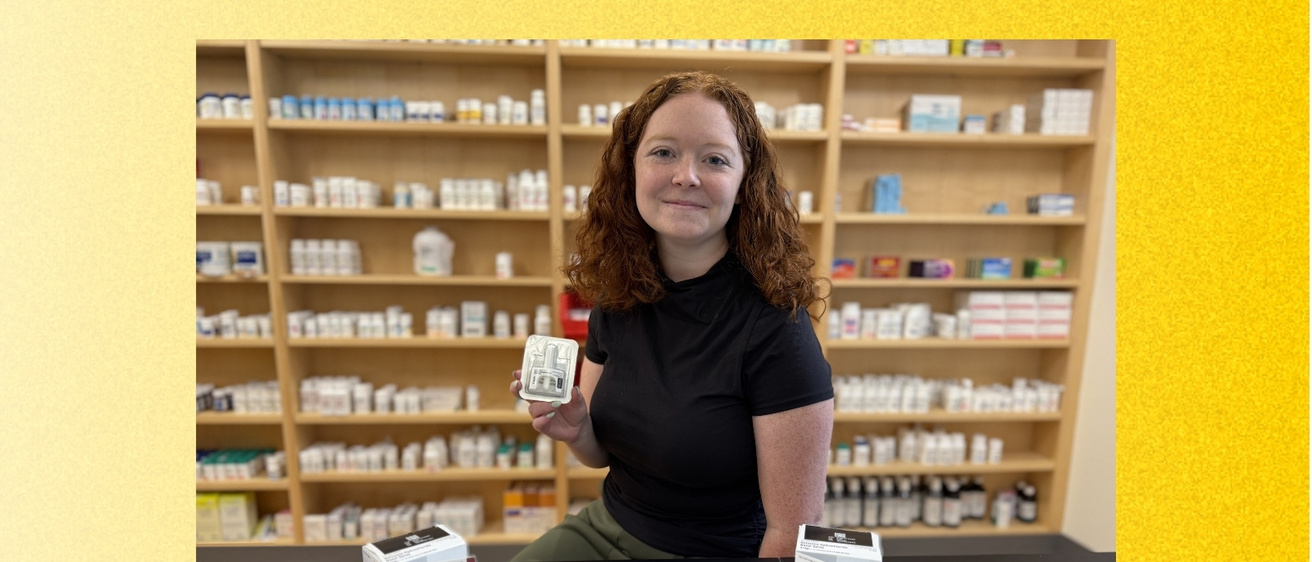
When third-year University of Iowa (UI) Doctor of Pharmacy (PharmD) student Kelsey Rook decided to become trained in the use of naloxone – the drug used to reverse an opioid overdose – she never imagined she’d find herself in a situation where she could help save someone’s life. But a year later, that’s exactly what happened.
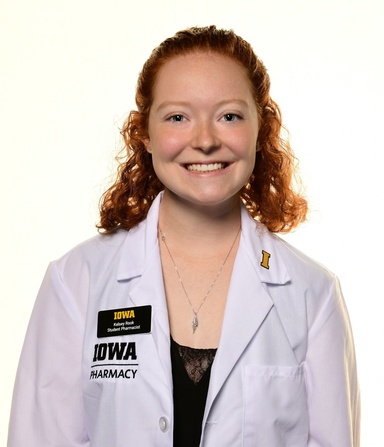
Rook was working at her pharmacy when someone came in asking for help with a nonresponsive person outside. She said initially her mind went to cardiac arrest, but when naloxone was requested, she grabbed a box and headed out. Rook gave the patient a dose but didn’t see an immediate response. She explained this to police who soon were on the scene, then an ambulance arrived and took over. Later that night, officers called her manager to let them know the naloxone kept the man alive.
“My IA-NEXT training helped me recognize the signs and symptoms of a potential opioid overdose and taught me how to properly administer naloxone. It gave me the confidence to step up and take action in a high-pressure situation without hesitation,” said Rook. “At first, I was in complete shock and disbelief that I saved a life. The experience was both humbling and reassuring because it reinforced that my training prepared me to act when needed.”
Statewide Training
IA-NEXT stands for IowA Naloxone EXpansion and Training project. The initiative is supported by a 2024 Substance Abuse and Mental Health Services Administration grant received by Clinical Associate Professors Ben Miskle and Laura Knockel and Clinical Pharmacy Specialist Heidi Wood. It has enabled implementation of innovative strategies and partnerships to train student pharmacists, pharmacists, nurses, and other health care professionals throughout the state of Iowa on identifying an overdose and naloxone education. Through a Training of Trainers Program, UI College of Pharmacy students learn how to go into communities and provide instruction to schools and other organizations.
Dr. Miskle currently is recruiting additional UI PharmD students to help with the project. Registration is open until 5:00 p.m. Wednesday, Sept. 30.
To date, 2,529 people have been trained on overdose awareness and naloxone administration through the IA-NEXT project. Nearly 1,000 naloxone kits have been handed out.
Our vision is for overdose prevention and naloxone education to become as commonplace as CPR or first aid training,” explained Miskle, who is the grant’s principal investigator. “We hope to continue expanding IA-NEXT's reach. Schools, health care professionals, and students are champions for this work.”
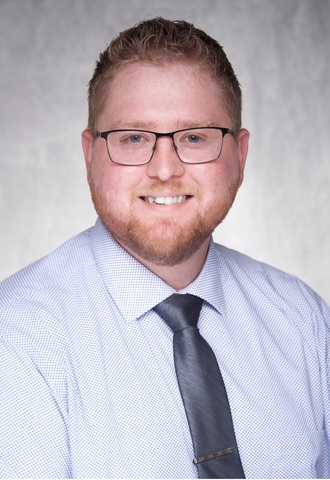
Rook said she chose to participate because she comes from an area that has been affected by opioid misuse. “I wanted to be part of the solution and gain the knowledge and skills to make a positive difference in my community,” she said. While she has not led trainings, Rook has staffed public events where free naloxone kits are distributed and the importance of carrying it and how to spot an overdose are emphasized.
“Kelsey's actions demonstrate that these trainings do more than provide information,” noted Miskle. “They empower people to intervene and make a life-saving impact where they live and work.”
Get Involved
Miskle currently is recruiting additional UI PharmD students to help with the project. Volunteers will attend a Training of Trainers event Saturday, Oct. 10 (9:00 a.m. - Noon) and then complete two trainings at Iowa schools, alone or with another qualified student. Registration is open until 5:00 p.m. Wednesday, Sept. 30. Rook knows it’s worth the time.
“I strongly encourage any student considering IA-NEXT to get involved. You may think you'll never need to use what you learn, but emergencies can happen anywhere and at any time,” she said. “The training gives you the knowledge and confidence to step in when someone’s life may depend on it.”