
In Bloomfield, Iowa, patients who once had to travel long distances for treatment of common illnesses now have another option close to home: a pharmacist-led walk-in clinic opened by a University of Iowa (UI) College of Pharmacy alumnus.
That clinic is one example of a larger change taking shape across the state. The Iowa Pharmacy Practice Act, signed into law in April 2024, modernized pharmacy practice by allowing pharmacists to provide services that meet the accepted standard of care and align with their education, training, and competence. Iowa is the third state to adopt this model, following Idaho and Alaska.
The law matters. But the more compelling story is what pharmacists are doing with it. UI-trained pharmacists are opening new doors to care, redesigning community pharmacy, expanding clinical services, and helping health systems recognize pharmacists as essential providers. Their work shows how practice transformation can move from policy to patient care.
As implementation continues across the state, the College of Pharmacy is working to better understand how the standard of care model is being adopted and identify opportunities to support practice transformation. One focus is evaluating the feasibility of creating a Center for Practice Transformation. As part of this effort, the college collaborated with faculty from Drake University and staff from the Iowa Pharmacy Association to survey more than 3,000 Iowa pharmacists about how they are interpreting, adopting, and practicing under the new framework. The findings will help identify best practices and shape future initiatives, with results to be shared within the next couple of months.
The pharmacists featured below are among those leading this change, demonstrating how expanded pharmacist practice is improving patient care in communities throughout the state.
Preparing Pharmacists for a Different Future
As pharmacy practice evolves, pharmacy education must evolve with it. UI College of Pharmacy faculty, led by Mary Ray, associate dean of academic affairs and clinical professor, are redesigning the curriculum to strengthen the connection between foundational science and patient care while building clinical decision-making, practice readiness, and professional accountability.
The redesign also brings emerging areas into the curriculum, including artificial intelligence, precision medicine, digital health, health care systems, and practice transformation. These changes are intended to prepare graduates to lead as integral members of the health care system in Iowa’s expanding practice environment.
The college’s strategic plan reinforces this work through its Practice Transformation pillar, which advances pharmacist autonomy, supports innovative models of care, and strengthens partnerships across health systems and communities. Through expanded experiential learning, practice innovation, and faculty leadership, the college is helping shape the future of pharmacy practice while improving access to high-quality patient care.
Expanding Access Through Innovation

When Iowa's standard of care framework took effect, Mylo Wells, ’18 PharmD, recognized an opportunity to address a growing need for accessible health care in his rural community. He opened Iowa's first pharmacist-led walk-in clinic, Wells Hometown Clinic, within Wells Hometown Drug in Bloomfield. Before the clinic opened, local residents had to travel long distances for treatment of common illnesses such as upper respiratory infections and rashes. Now, a convenient alternative is just a few minutes away.
Working alongside fellow UI College of Pharmacy alumna Caitlin Rohrbaugh, ’24 PharmD, Wells demonstrates how pharmacists can practice at the top of their education and training by assessing patients, ordering appropriate tests, prescribing medications, and delivering timely care. The clinic has already served hundreds of patients while offering an affordable option for those without insurance coverage. Thanks to Iowa’s standard of care model, Wells and his team are redefining the pharmacist’s role and bringing high-quality clinical care to an underserved community.
Reimagining Community Pharmacy
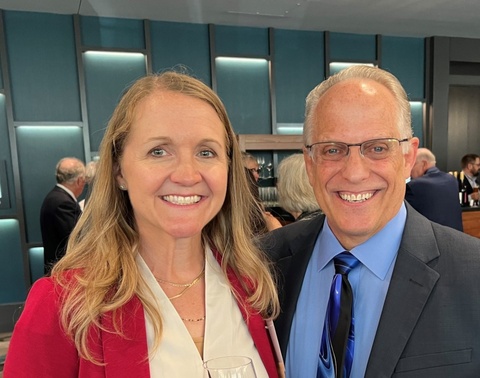
Towncrest Pharmacies, co-owned by College of Pharmacy alumni Randy McDonough, ’87 BSPh, ‘97 MS, ’00 PharmD, Michael Deninger, ’91 BSPh, ’98 PhD, Kelly Kent, ’03 PharmD, ’04 R, and Aaron McDonough, ’21 PharmD, has turned into one of Iowa's most innovative independent pharmacy organizations. With multiple locations across eastern Iowa, the organization has grown well beyond the traditional community pharmacy model.
Today, Towncrest includes community pharmacies; a closed-door long-term care pharmacy; a health-plan brokerage; and Towncrest Wellness Apothecary — a cash-based practice specializing in functional medicine, personalized compounding, and clinical consulting. The organization also provides a comprehensive range of patient care services, including pharmacogenomic testing, point-of-care testing, medication adherence programs, pharmacist consultations, and personalized medication management to improve patient outcomes.
By combining innovative clinical services, entrepreneurial thinking, and collaborative care, the Towncrest team is expanding access to personalized, patient-centered care.
Meeting Community Needs in Waverly, Iowa
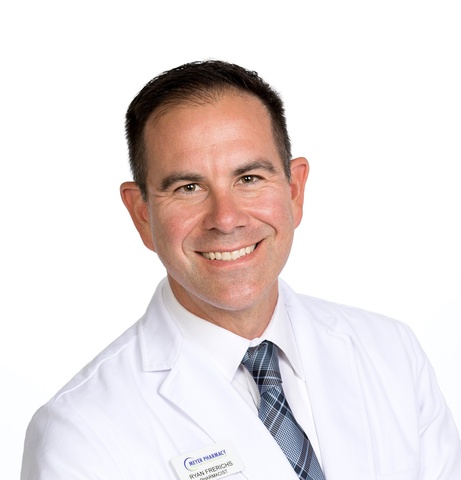
Since Iowa's standard of care framework took effect, Ryan Frerichs, ’01 PharmD, and his team at Meyer Pharmacy have strategically expanded patient care services to better meet the needs of their community. The pharmacy has since introduced streptococcal and influenza test-and-treat programs, hemoglobin A1c testing, omega-3 blood testing, and InBody body composition analysis. The pharmacy has used patient feedback to identify local priorities and is currently exploring the development of an acne and skin care clinic.
Implementing these services has required careful planning, from evaluating an electronic health record to support clinical documentation, electronic prescribing, and continuity of care to investing in staff training, workflow redesign, and patient scheduling. Frerichs estimates that a single service can typically be implemented within 90 days, although fully integrating these opportunities will likely take about a year because of the organization's deliberate, measured approach.
The expanded authority has improved access to care, particularly in areas where timely health care is inaccessible. Looking ahead, Frerichs believes pharmacists can help address primary care shortages by utilizing their roles to triage patients and serve as accessible entry points to the health care system.
Practice Innovations at Broadlawns Medical Center
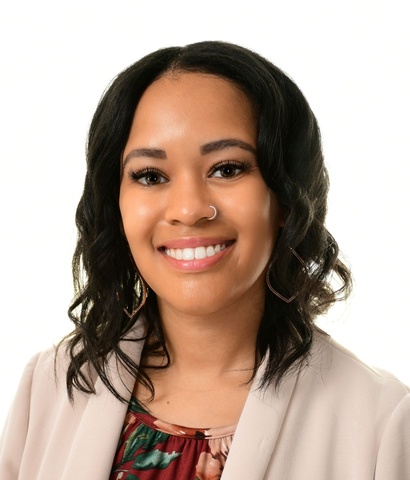
Following passage of the Iowa Pharmacy Practice Act, Broadlawns Medical Center in Des Moines launched a pharmacist credentialing and privileging process modeled after those used for other advanced practice providers. Completed in eight months, the initiative positions clinical pharmacists to pursue direct reimbursement for cognitive services while providing the recognition, benefits, and protections of similarly credentialed professionals, says Chayla Morris, ’16 PharmD, ’17 R, ambulatory care clinical pharmacy coordinator at Broadlawns.
The initiative has expanded pharmacist roles across Broadlawns, with credentialed pharmacists practicing in primary care and emergency medicine. The health system is also piloting Medicaid reimbursement for pharmacist-provided services and bringing medication dispensing and consulting services in-house to reduce costs and generate revenue.
Implementation required collaboration across pharmacy, hospital leadership, physician, nursing, legal, information technology, billing, and quality teams. Broadlawns also updated collaborative practice agreements, policies, and protocols to align with the standard of care model.
At Broadlawns, the Iowa Pharmacy Practice Act has broadened pharmacists’ collaborative practice, enhancing chronic and acute disease management while streamlining refill requests and therapeutic substitutions.